Your Guide to Finding Arts and Cultural Events Across Southern California
Start with Your Own Interests
Before you dive into event listings, take a moment to think about what kind of experience you are after. Southern California offers everything from quiet gallery openings to sprawling festivals, and a little focus helps you avoid feeling overwhelmed. Ask yourself whether you want a hands-on workshop, a live performance, or a relaxed afternoon exploring visual art. Knowing this makes the next steps much easier.
Once you have a rough idea, you can start searching with purpose. Many people skip this step and end up browsing events that do not match their mood. A small investment of time here pays off later, especially when you build your own personal cultural event guide over time.
Use Local Event Calendars
Event calendars are the backbone of any good discovery process. Many cities and counties maintain their own online calendars, and these are often more reliable than national aggregators. Look for the official city or tourism website for places like Los Angeles, San Diego, Santa Barbara, or Orange County. These sites list community events, art walks, and festivals that might not appear on larger platforms.
Niche calendars are also worth your time. Museums, galleries, and performing arts centers usually have their own event pages with details on upcoming exhibitions, talks, and performances. Bookmark a few that align with your interests. Checking them once a week can keep you informed without much effort.
Another route is to follow local arts organizations on social media. They often post last-minute openings and special programs that never make it to a printed guide. If you prefer a more structured approach, consider setting up a simple folder of bookmarks or a shared calendar with friends who share your tastes. Over time, this curated set of sources becomes your own cultural event guide.
What to Look for on an Event Calendar
- Date and time, Confirm these early, especially for one-day events.
- Location and parking, Check if parking is free or if public transit is a better option.
- Admission details, Some events are free, others require tickets or a suggested donation.
- Age restrictions, Many workshops and performances have minimum age requirements.
- Event type, Look for labels like "art walk," "festival," "live performance," or "workshop" to match your interests.
Explore Neighborhood Art Walks
Art walks are one of the easiest ways to experience local culture without a big commitment. They typically happen on a set evening each month, and galleries in a district open their doors for free. You can wander at your own pace, talk to artists, and see work that ranges from emerging to established. Downtown Los Angeles, Laguna Beach, and the Arts District in San Diego all host well-known art walks.
What makes art walks special is the atmosphere. Streets fill with people, music often spills out of venues, and you get a sense of the creative energy in a neighborhood. Many art walks also include pop-up installations, street food vendors, and live demonstrations. They are a great entry point if you are new to the art scene or want to bring friends who are not regular museum-goers.
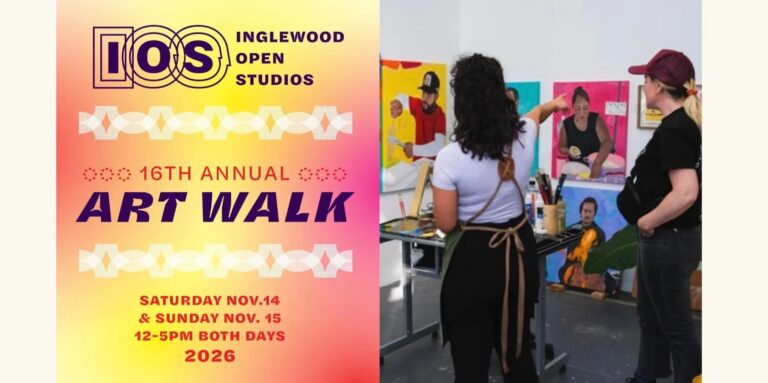
Check the official event calendar for each art walk before you go. Some require registration or have changed their route. Arriving early gives you time to see the most without fighting crowds.
Look Beyond Major Museums
While institutions like the Getty or the Museum of Contemporary Art are excellent, smaller venues often offer more intimate and surprising experiences. University galleries, artist-run spaces, and community centers frequently host exhibitions that are free and less crowded. These places can introduce you to local trends and emerging voices that larger museums might not show yet.
Workshops are another hidden gem. Many small galleries and art studios offer classes in painting, ceramics, printmaking, or photography. These sessions are often led by practicing artists and give you a hands-on understanding of the creative process. Even if you do not consider yourself artistic, trying a workshop can deepen your appreciation for the work you see elsewhere.
Live performances are equally varied. Beyond the big theaters, you will find experimental music shows, dance performances, and theater productions in unexpected places, warehouses, bookstores, and even private homes. These grassroots events are usually listed on local arts newsletters or community bulletin boards. Following a few key venues on social media can help you catch them before they sell out.
Use Online Tools Strategically
Search engines and event discovery platforms are useful, but they work best when you refine your search. Instead of typing "events near me," try adding specific terms like "free gallery opening Los Angeles" or "live performance San Diego this weekend." This narrows results and reduces noise from sponsored posts or outdated listings.
Filter by date and category when possible. Most platforms let you sort by "free" or "today," which can help you plan on short notice. If you find an event you like, check the organizer's website for updates. Third-party listings sometimes miss changes in time, location, or admission.
Another tactic is to search for "Southern California events" on sites that specialize in the region. These curated lists often highlight festivals and community events that are worth the drive. Pairing a broad search with your bookmarked local calendars gives you a balanced view of what is happening.
Plan Your Visit: What to Bring and Expect
Once you pick an event, a little preparation makes the experience smoother. For outdoor festivals, bring water, sunscreen, and comfortable shoes. Indoor gallery openings can be crowded, so a small bag and a light jacket work well. If the event involves a workshop, check if materials are provided or if you need to bring your own.
Parking can be a challenge at popular venues. Many art walks and festivals offer nearby lots or street parking, but arriving early helps. Public transit is a good alternative in dense areas like downtown Los Angeles or Santa Monica. Ride-sharing services are another option, especially if you plan to stay late.
Finally, keep an open mind. Part of the joy of exploring arts and culture is discovering something unexpected. You might walk into a gallery for a painting exhibition and find a live poetry reading happening in the back. Those unplanned moments often become the most memorable.
Keep Your Own List
Over time, you will develop a sense of which sources and venues suit you best. Maintain a simple list, in a notes app, a spreadsheet, or even a physical journal, of events you want to attend and places you want to revisit. Note the dates of recurring events like monthly art walks or annual festivals so you can plan ahead.
Sharing your finds with friends can also enrich the experience. A group outing to a festival or gallery opening turns a solo exploration into a shared adventure. Many people find that talking about what they saw helps them remember details and form opinions about the work.
Southern California is full of cultural opportunities if you know where to look. By combining local calendars, niche sources, and a bit of curiosity, you can build a habit of finding events that genuinely interest you. The region's diversity means there is always something new to see, hear, or try.
Ends · CITYTRAILNOTES